
Introduction
We’ve all heard the phrase “happy cows make better milk” — but how many of us have actually stopped to think about what that means? Behind every glass of milk you pour in the morning is a story that begins long before it reaches your fridge. It begins in a farm, with a cow, and the way she is raised, fed, and cared for. At Milkon, we believe that ethical farming isn’t just the right thing to do — it directly and measurably impacts the quality, purity, and nutritional value of the milk you drink every day. Here’s why.
What Does “Ethically Raised” Actually Mean?
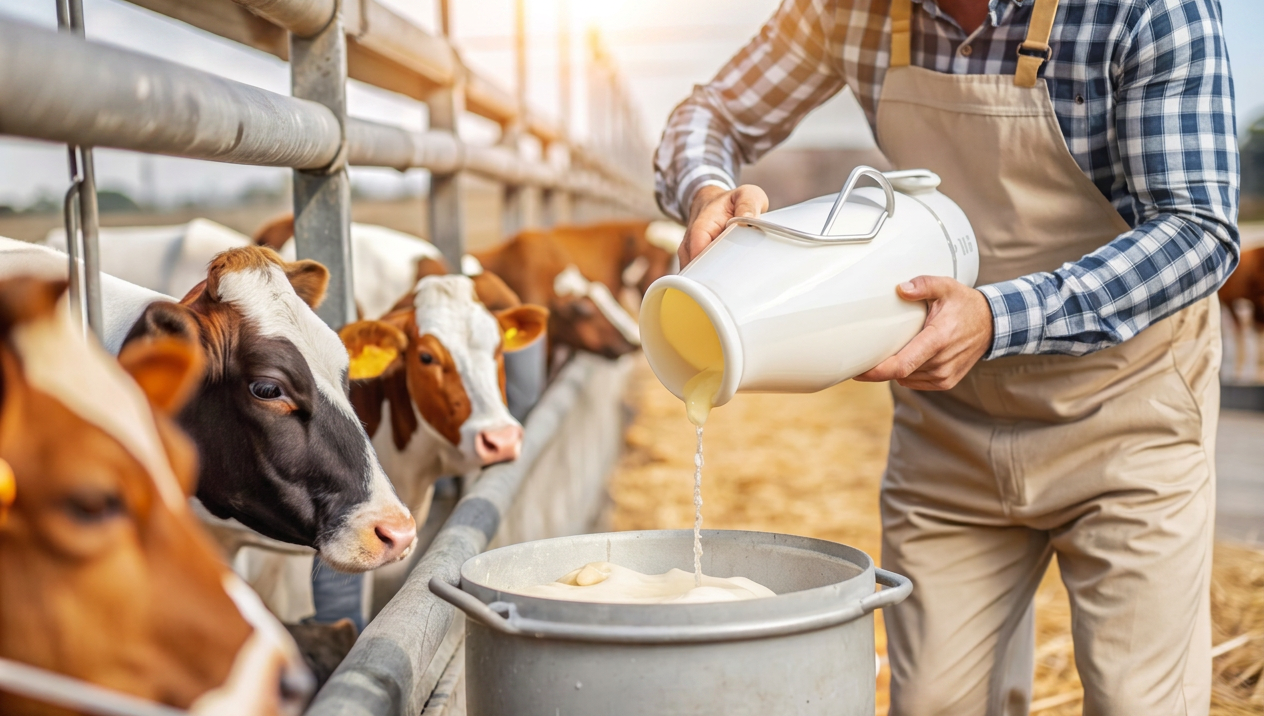
Ethical farming goes far beyond just giving cows a clean place to sleep. It means allowing cows to graze freely in open, natural pastures rather than confining them to cramped spaces. It means feeding them a natural, chemical-free diet of fresh grass, hay, and grains — with no growth hormones or artificial supplements. It means providing regular veterinary care, maintaining clean and hygienic living conditions, and treating each animal with genuine respect and compassion. At Milkon, our farmers follow all of these principles every single day, because we understand that the wellbeing of our cows is directly linked to the quality of the milk they produce.
The Science Behind It — Stress and Milk Quality
This isn’t just a feel-good story — there is real science behind it. When cows are stressed, their bodies release a hormone called cortisol, which can negatively affect the composition of their milk. Studies have shown that stress in dairy cows can lead to lower fat content, reduced protein levels, and a higher presence of somatic cells — which are essentially the body’s response to infection or inflammation. High somatic cell counts are a key indicator of poor milk quality and can affect the taste, texture, and shelf life of dairy products. Cows that are raised in calm, open, and humane environments produce milk with lower somatic cell counts, higher nutritional density, and a naturally richer, creamier taste. Simply put a cow that is healthy and stress-free produces milk that is healthier and better tasting.
The Milkon Promise
What a cow eats has a direct impact on the nutritional profile of her milk. Cows that graze freely on natural pastures produce milk that is naturally richer in Omega-3 fatty acids, Vitamin E, beta-carotene, and conjugated linoleic acid (CLA) — a naturally occurring fat that has been linked to several health benefits. In contrast, cows fed on processed feed or pumped with artificial hormones to increase milk yield produce milk that is often lower in these essential nutrients. At Milkon, our cows are fed a completely natural diet, free from artificial additives and growth hormones. The result is milk that doesn’t just taste better — it nourishes better.
Conclusion
The next time you pour a glass of milk, think about where it came from. Think about the farm, the cow, and the hands that cared for her. Because the truth is — great milk doesn’t start in a factory. It starts in a field, with a happy, healthy cow, raised by people who genuinely care. That’s the Milkon difference. And that’s a difference worth choosing, every single morning.